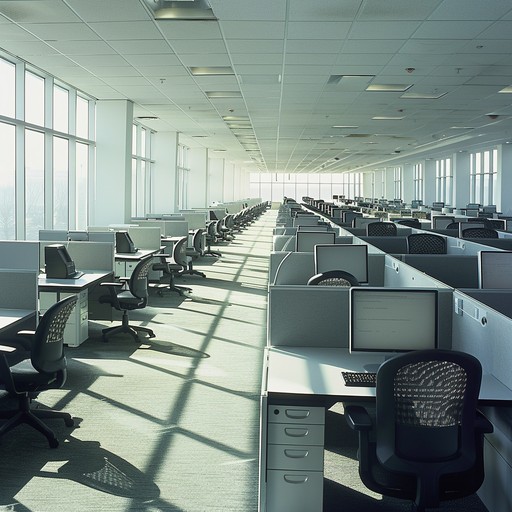
The workplace has changed, but there is no one-size-fits-all solution.
The debate over hybrid work isn’t going away anytime soon. Some organizations have embraced flexible schedules, while others are encouraging or requiring employees to return to the office. And somewhere in the middle are businesses still trying to determine what makes the most sense for their employees, operations, and facilities.
According to Gallup, 54% of U.S. employees with remote-capable jobs worked in a hybrid arrangement as of August 2026. That makes hybrid work the most common arrangement for employees whose jobs can be performed remotely.
But popularity doesn’t necessarily mean it’s the right fit for everyone.
For facility managers, hybrid work introduces a unique set of opportunities and challenges. From managing fluctuating occupancy to maintaining underutilized spaces, the decisions organizations make about where their employees work have a direct impact on how their facilities operate.
So, what are the advantages and disadvantages of hybrid work?
The Pros of Hybrid Work
1. Greater Flexibility for Employees
One of the most recognized benefits of hybrid work is flexibility. Employees can balance in-office collaboration with remote work, potentially reducing commute times and improving work-life balance.
For organizations, offering flexibility can also be an advantage when attracting and retaining talent, particularly when competing for employees who value greater control over their schedules.
2. Opportunities to Reduce Facility Costs
When fewer employees are in the office every day, organizations may find opportunities to reduce their physical footprint or reconsider how existing space is allocated.
Unused desks, oversized conference rooms, and consistently vacant work areas represent opportunities for improvement.
By understanding how spaces are being used, facility managers can make better-informed decisions about space allocation, energy consumption, and long-term real estate needs.
However, these savings aren’t automatic. Buildings still require maintenance, utilities, security, and ongoing operational support regardless of how many employees are present.
3. More Intentional Use of Office Space
Hybrid work can encourage organizations to rethink what their offices are actually designed to accomplish.
Rather than assigning a permanent desk to every employee, some businesses are creating more flexible environments that prioritize collaboration, meetings, and shared workspaces.
For facility managers, this creates opportunities to improve space utilization and develop workplaces that better support how employees work today.
4. Potential Improvements in Employee Satisfaction
For some employees, reducing the number of days spent commuting can mean less stress and more time for personal responsibilities.
Hybrid arrangements may also allow employees to choose environments that best support their work, whether that means collaborating with colleagues in person or concentrating on individual projects remotely.
When implemented thoughtfully, this flexibility can contribute to a more positive employee experience.
The Cons of Hybrid Work
1. Unpredictable Office Occupancy
One of the biggest challenges for facility managers is not knowing exactly how many people will be in the building on any given day.
An office designed for 300 employees might be nearly empty on Monday and approaching capacity on Wednesday.
These fluctuations can complicate everything from desk availability and meeting room scheduling to cleaning services, building operations, and resource allocation.
Without reliable information, facilities teams may find themselves planning around assumptions rather than actual needs.
2. More Complicated Space Management
Traditional office layouts were generally designed around predictable occupancy and assigned workspaces.
Hybrid environments can change that equation.
Shared desks, rotating schedules, and changing departmental needs require a more flexible approach to space management. Without accurate floor plans and occupancy information, it can become difficult to identify underutilized areas or accommodate employees when attendance increases.
3. Loss of Personal Workspace and Comfort
For many employees, their desk is more than just a place to work. It’s a space they’ve personalized, organized, and adjusted to meet their individual needs.
Transitioning to shared desks or hoteling arrangements can leave employees feeling like they’ve lost that sense of ownership. Personal photos, decorations, and familiar desk setups may no longer have a place in the workplace.
There are also practical concerns. Employees who have carefully adjusted their chairs, monitors, and desks for comfort and ergonomics may find themselves starting from scratch each time they come into the office.
When preferred settings aren’t maintained, something as simple as finding a comfortable chair or adjusting a workstation can become a daily frustration. For employees who rely on specific ergonomic configurations, these changes may be more than an inconvenience.
For facility managers, these concerns are worth considering when implementing shared workspace strategies. Providing adjustable furniture, accessible workspace preferences, and consistent equipment can help reduce frustration and make the transition easier.
An efficient workspace isn’t just about maximizing square footage. It’s also about making sure employees feel comfortable, valued, and productive in the spaces they use.
4. Collaboration and Communication Challenges
While remote work offers convenience, it can also make spontaneous collaboration more difficult.
Informal conversations, quick problem-solving sessions, and relationship-building opportunities don’t always translate seamlessly to virtual environments.
Organizations need to consider how employees communicate and collaborate across locations, particularly when teams have different in-office schedules.
For some businesses, consistent in-person interaction remains an important part of their operational success.
5. Facility Costs Don’t Disappear
A building doesn’t stop costing money simply because fewer people are using it.
HVAC systems, preventive maintenance, equipment inspections, security, and other essential services still need attention.
In fact, hybrid work can create additional challenges when organizations maintain the same square footage while supporting a more variable workforce.
Reducing facility costs requires more than reducing attendance. It requires understanding how resources are being used and identifying where meaningful adjustments can be made.
6. Balancing Employee Expectations With Business Needs
Not every position can accommodate remote work, and not every organization benefits from the same workplace arrangement.
Certain industries, operational requirements, and job responsibilities depend on an on-site presence.
Organizations must balance flexibility with collaboration, accountability, customer service, and the practical needs of their facilities.
What works for one company may create unnecessary complications for another.
What Does This Mean for Facility Managers?
Whether an organization operates fully in-office, remotely, or somewhere in between, one thing remains constant: facilities still need to be managed efficiently.
The challenge isn’t necessarily choosing the perfect workplace model. It’s having the information and tools needed to support the model that works best for the organization.
For hybrid workplaces, that might mean better visibility into space utilization, more flexible workspace planning, and improved coordination of shared resources.
It can also mean understanding how workplace changes affect the people using those spaces. Desk-sharing strategies, for example, may improve utilization numbers, but they also need to account for employee comfort, accessibility, and personal workspace preferences.
For organizations returning to the office, priorities might include managing assigned workspaces, accommodating departmental growth, and ensuring that facilities are prepared for consistent occupancy.
And for organizations with a largely remote workforce, managing physical assets, maintaining essential equipment, and understanding real estate costs remain just as important.
Different workplace strategies create different facilities management needs. Your software should be capable of supporting those differences.
Your Workplace. Your Needs. Your Choice.
At Collectiveview, we understand that there isn’t one right answer to the hybrid work debate.
Some organizations thrive with flexible schedules. Others operate more effectively with employees on-site. Many will continue adjusting their approach as their needs evolve.
We don’t believe your facilities management software should dictate how your organization operates.
Our solutions are designed to help you manage your spaces, assets, maintenance, and facilities information in ways that support your business, rather than forcing your business to adapt to a predetermined process.
Whether you’re managing a traditional office, navigating the complexities of hybrid work, or preparing for whatever comes next, Collectiveview provides flexible, customizable solutions to help you operate efficiently.
Whichever direction you choose, Collectiveview is here to help you manage your facilities according to your needs, not ours.
Learn more at Collectiveview.com.